“Goli Otok” is a name that evokes fear and dark associations, leaving a deep mark not only on Croatian history but on the entire former Yugoslavia. As one of the most infamous prisons in the world, “Goli Otok” became a symbol of repression, terror, and inhumane treatment of political prisoners.
IMPORTANT: THIS ARTICLE IS INTENDED FOR EDUCATIONAL PURPOSES ONLY!
Goli Otok: A Prison in the Adriatic Sea
Located in the Adriatic Sea, “Goli Otok” became the embodiment of one of the darkest and most controversial episodes in Yugoslav history. During its operation as a prison camp, it reflected intolerance, fear, and authoritarian control. Many of the events that took place there remain deeply etched into the collective memory.
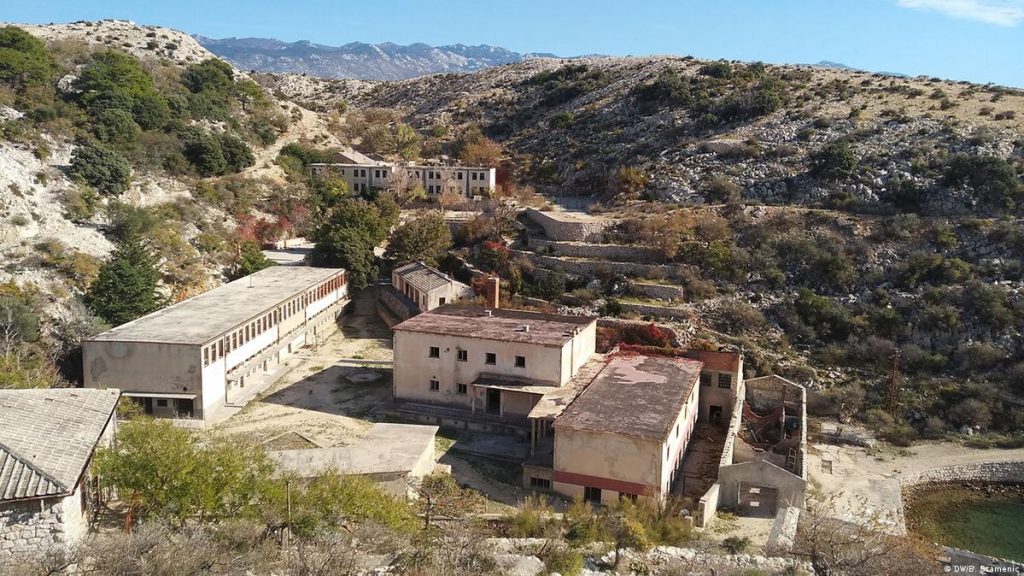
“Goli Otok” became known not only for its cruelty but also as a symbol of repressive regimes across socialist and communist states. This seemingly remote and barren island on the Adriatic coast became synonymous with political persecution, torture, and severe human rights violations. Initially seen as merely an isolated site for political dissenters, “Goli Otok” later emerged as one of the most recognized symbols of political oppression in former Yugoslavia.
The Origins of “Goli Otok”: Ideological Purges
The establishment of “Goli Otok” was no accident. It was created as a tool of repression in the early 1950s, shortly after World War II, during the rule of Josip Broz Tito. Although Tito was widely seen as a liberator from Nazi occupation and a leading figure in socialist Yugoslavia, his regime was intolerant of political opposition, especially from within the Communist Party itself.
“Goli Otok” became a key instrument in the ideological purges following the 1948 split with the Soviet Union. Tito, frustrated by Stalin’s growing pressure and interference, broke away from Moscow. This political rift played a pivotal role in the decision to establish camps like “Goli Otok”. The Soviet model of political purging was adopted in Yugoslavia to deal with perceived internal enemies, and “Goli Otok” became a powerful tool in that struggle.
The First Prisoners: Stalinism and Political Cleansing
After the split with the Soviet Union, Stalinist-style purges became a blueprint for many communist nations. “Goli Otok” became a place of incarceration for ideological enemies of the Titoist regime. Mostly former communists who sympathized with Stalin or believed that Yugoslavia should rejoin the Soviet sphere.
Thus, “Goli Otok” turned into a camp for those labeled as “Titoists” or “pro-Soviet elements” within the Communist Party. The political purges were brutal, often based on suspicion, minor disagreement, or internal party rivalry. Many were imprisoned simply for disagreeing with Tito’s policies, and their “crime” was nothing more than political dissent.
Who Was Imprisoned on Goli Otok?
Among those imprisoned on “Goli Otok” were former high-ranking members of the Communist Party of Yugoslavia, senior military officers, journalists, intellectuals, artists, academics, and even ordinary citizens. While it was primarily a detention site for political dissidents, it also held anti-communists, ex-Soviet citizens, and Yugoslavs advocating for democratic reforms.
Torture and Repression: Physical and Psychological Abuse
Life on “Goli Otok” was unbearably brutal. Over the years, the camp became infamous for its merciless use of physical torture, psychological abuse, and inhumane living conditions. Prisoners were beaten, starved, forced into public confessions, and subjected to exhausting labor in harsh conditions, resulting in high mortality rates.
Their “crime” was opposition to Tito’s regime. Many were psychologically broken through forced indoctrination, while others survived only through spiritual resilience and physical endurance.
The Closing of the Camp and Its Final Years
Goli Otok ceased functioning as a prison camp in 1988, although many inmates had been released long before. Nevertheless, its significance in Yugoslav history remained. Survivors carried lifelong physical and psychological scars. After the 1960s, the regime began to liberalize somewhat, and purges became less frequent. The camp was gradually phased out, but its dark legacy was never truly forgotten.
A Forgotten Reality: Post-Closure Silence
After its closure, “Goli Otok” was largely erased from the official narrative of Yugoslav history. The years following Tito’s death in 1980 marked a period in which discussions about political persecution and camps like Goli Otok were pushed into obscurity.
It was only in the 1990s, during the breakup of Yugoslavia and the rise of new national states. That serious research into this chapter of history began. Survivor testimonies became an important part of historical reckoning, sparking renewed public debate on the legacy of the communist regime.
Social and Political Rehabilitation: The Survivors’ Stories
Over time, there was growing societal acknowledgment of those who survived “Goli Otok”. After the fall of Yugoslavia, survivors increasingly spoke out about their experiences. Through memoirs and personal testimonies, many exposed the brutality and inhumanity inflicted by the regime upon political dissenters. Efforts to rehabilitate the victims were initiated, although many never received full justice.
“Goli Otok” Today: Tourism, Museums, and Memorials
Today, “Goli Otok” stands as a symbol of political persecution and a site of historical remembrance. After years of neglect, it now hosts tourist tours, exhibitions, and memorials that reflect the horrors once committed there. There are growing efforts to preserve “Goli Otok” as a historic monument, though debates continue about how best to honor and maintain its memory.
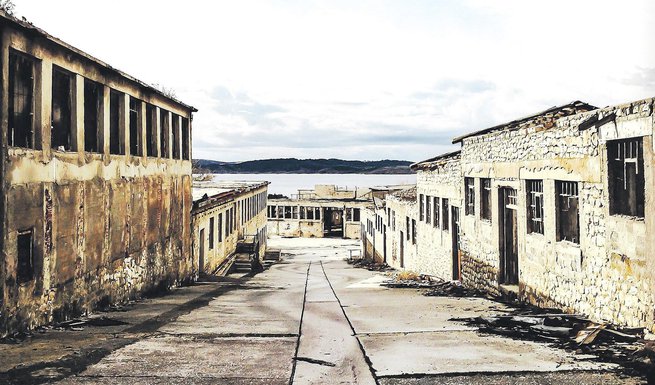
“Goli Otok” in the Collective Memory
Although Goli Otok has been closed for decades, its presence lingers in the collective consciousness of the region. It stands as a powerful warning of what can happen when political systems prioritize control over human rights. Today, historians, survivors, and activists continue to explore and document its history, ensuring that the stories of suffering, resistance, and survival are not forgotten.
We’ve reached the end of this article. If you’d like to read more content like this, follow our blog where we publish daily stories on historical, global, and current topics.
Thank you for reading,
The MALAMEDIJA Team