Why They Shaped Modern Society
There are regions that have observed history from a distance. The Balkans have never been one of them. Here, history was not merely read about, it was lived, endured, and often paid for dearly.
From Roman legions to modern European integration, the Balkans have been both a bridge and a battlefield. A borderland, yet also a crossroads. Each pivotal event in its past has left a mark that continues to shape political attitudes, national identities, economic structures, and even family narratives to this day.
These are ten events without which the Balkans of today cannot be fully understood.
1. The Roman Conquest of the Balkans (2nd century BCE – 1st century CE)
When the Roman Empire extended its rule over the Balkan territories, it conquered more than land, it altered the civilizational trajectory of the region.
Rome brought roads, law, urban culture, administrative systems, and military organization. Cities such as Singidunum (modern-day Belgrade), Salona (near Split), and Sirmium became significant centers of power and culture.
Yet the most important legacy was deeper: the Balkans became part of the European civilizational framework. The very idea of the state, legal order, and infrastructure connecting communities originates from this period.
Today, when we speak of European integration, we often forget that the Balkans were part of a vast European political entity more than 2,000 years ago.
2. The Division of the Roman Empire in 395 CE
When Emperor Theodosius I divided the Empire into eastern and western halves, the Balkans became a line of separation.
The Western Roman Empire eventually collapsed, while the Eastern Roman Empire, Byzantium, endured for another thousand years. This division laid the foundations for enduring religious and cultural differences between the Catholic and Orthodox worlds.
The boundary between Rome and Constantinople can still be seen today in the architecture, religious customs, and cultural habits of the Balkans. It shaped the region’s identity more profoundly than many later political borders.
3. The Slavic Migrations (6th–7th centuries)
The arrival of the Slavs transformed the demographic and cultural landscape of the Balkans. A new language, new customs, and new social structures emerged.
Slavic influence became the foundation for most of the region’s present-day nations. Identity, mythology, folklore, and linguistic structures were shaped during this period.
Modern political and national narratives often trace their roots to this era, as it marks the beginning of the story of the peoples as we know them today.
4. The Battle of Kosovo (1389)
Few events have acquired such a mythic dimension as the Battle of Kosovo.
Historically, it was one of many clashes between the Ottoman forces and Balkan rulers. Symbolically, however, it became a cornerstone of collective consciousness.
The Kosovo myth shaped concepts of sacrifice, heroism, and national identity. Regardless of historical interpretation, its influence on the political and cultural imagination of the region remains immense.
5. The Fall of Constantinople (1453)
When Constantinople fell, the last bastion of Byzantium collapsed with it.
The Ottoman Empire consolidated its control over the Balkans, ushering in centuries of Ottoman rule.
This period left a profound imprint in architecture, language, cuisine, and mentality. A walk through Sarajevo, Skopje, or Mostar reveals how history is still written in stone.
6. The First Serbian Uprising (1804)
The beginning of national revolutions in the Balkans marked a new era…the awakening of modern nation-states.
Uprisings against the Ottoman Empire sparked waves of national movements throughout the region. The idea of an independent state, civil rights, and political autonomy became tangible realities.
This process shaped modern borders and national identities.
7. The Balkan Wars (1912–1913)
The Balkan states initially united against the Ottoman Empire, only to turn against one another shortly afterward.
The result? Territorial changes, but also deeply entrenched mistrust among neighbors.
This period laid the groundwork for tensions that would escalate only a few years later.
8. The Sarajevo Assassination (1914)
When Gavrilo Princip assassinated the Austro-Hungarian heir to the throne, the Balkans ignited the fuse that led to the First World War.
A regional conflict became a global catastrophe. Once again, the Balkans stood at the epicenter of world history.
The consequences were immense: the collapse of empires, the creation of new states, and long-term political instability.
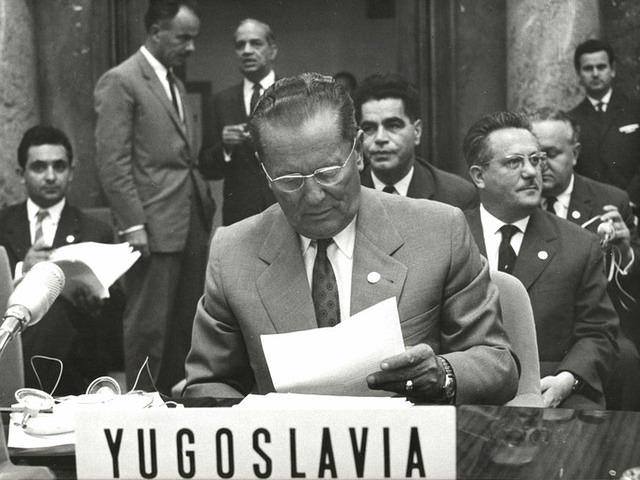
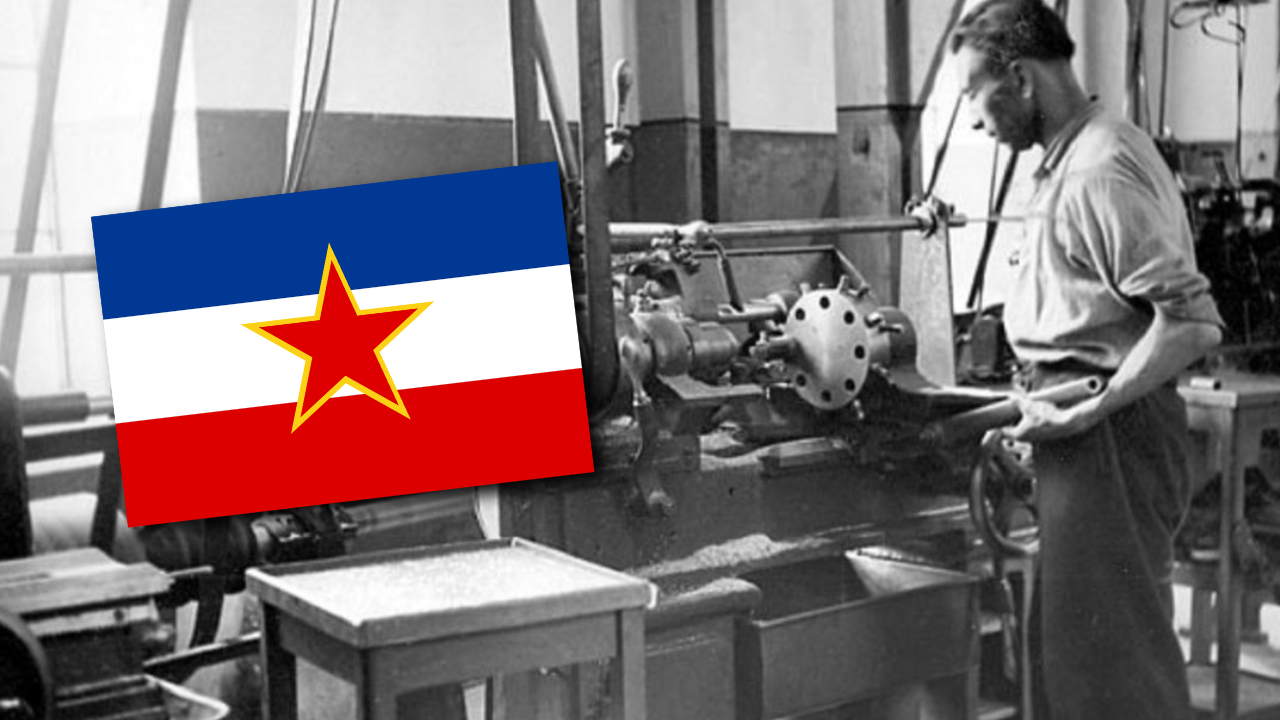
9. The Creation and Dissolution of Yugoslavia (1918–1990s)
The idea of Yugoslav unity was an attempt to transcend national divisions.
Socialist Yugoslavia, under the leadership of Josip Broz Tito, became a unique model positioned between East and West.
However, its disintegration in the 1990s led to bloody conflicts, redefined borders, and deep collective trauma.
The wars of the 1990s shaped the political reality of the contemporary Balkans more than any other event in the past century.
10. European Integration (21st Century)
The accession of several Balkan countries to the European Union marked a new phase, one of institutional stabilization.
Though the process remains incomplete, it represents an effort to replace historical cycles of conflict with cycles of cooperation.
The European Union symbolizes both the Balkans’ return to a broader European framework and the ongoing challenge of overcoming historical divisions.
Why Have These Events Shaped Modern Society?
The Balkans today are not the product of a single event, but of layered history. Each era left its imprint:
- Rome introduced institutions
- Byzantium and the Great Schism shaped religious identities
- The Ottomans left a cultural legacy
- National revolutions created modern states
- The World Wars redefined borders
- Yugoslavia and its collapse shaped contemporary political realities
Today’s Balkans are a region where identity, politics, and history are inseparable.
The history of the Balkans is not a linear narrative. It is complex, emotional, and often contradictory.
Yet one thing is certain: without understanding these ten events, it is difficult to comprehend why today’s societies are the way they are.
Perhaps that is the most important lesson of all, the Balkans have never been merely a periphery of great powers. More often than not, they have been the point of collision between them, but also the place where ideas, movements, and transformations were born developments that went on to shape the wider world.
And so, the next time you hear the Balkans described as a “troubled region,” remember this: it is a space that has, on more than one occasion, altered the course of history.
Thank you for reading.
If you enjoyed this article, feel free to share it with your friends and explore our other pieces on the history of the Balkans.
BONUS OUR VIDEO/DOCUMENTARIS WITH ENGLISH SUBTITLE: