

Over the past decade, cryptocurrencies have fundamentally changed the way we think about money, saving, and investing. From being dismissed as an “internet fantasy,” digital currencies have evolved into a legitimate asset class and a serious segment of the modern financial market.
But how do you even start investing in crypto if you have no prior experience? What are Bitcoin, Ethereum, and altcoins? How do you buy them, where do you store them, and what should you be cautious about?
This beginner’s guide will walk you through all the key steps. Everything you need to know is explained clearly in this article—so sit back, make yourself a coffee, and let’s dive in.
NOTE: This article is not financial advice. It is for informational and educational purposes only.
1. Education and Understanding Risk – The Foundation of Every Smart Crypto Investment
Before you invest a single euro in the world of cryptocurrencies, it’s crucial to understand what you’re getting into and the broader ecosystem that comes with it. Cryptocurrencies are not just digital coins you can buy and hope their value increases—they are part of a much larger ecosystem that includes blockchain technology, decentralized finance (DeFi), asset tokenization, NFTs, Web3 infrastructure, and a range of innovations that have no direct equivalent in traditional finance.
That’s why education is the first and most important step. Without it, investing in crypto is closer to gambling than making an informed financial decision—so take your time and study this guide thoroughly.
When we talk about education, we’re not referring to watching hype-driven videos titled “Bitcoin is going to $100K!!!” or reading social media headlines. Quality education means understanding fundamental concepts, market mechanisms, structural trends, and specific risks that come with the crypto industry.
For example: What does it truly mean for a cryptocurrency to be “decentralized”? Why are private keys so important? How does blockchain technology work, and why is it considered secure? What’s the difference between a coin and a token, or between proof-of-work and proof-of-stake consensus mechanisms? These are the kinds of questions you need clear answers to before you even click “buy” on any platform.
Be Aware of the Risks Involved in Crypto Investing
Another key part of this phase is understanding the risks. The crypto market is extremely volatile, which means prices can change dramatically within a short time frame. In practical terms, this means your investment can drop by 40% in just a few days—with no guarantee of recovery. This isn’t pessimism; it’s a reality every investor must accept. So be prepared for large market fluctuations.
There’s also an added layer of digital-specific risks: hacking, scam projects, rug pulls, phishing schemes, and even technical issues on exchanges. If you don’t understand how to protect your wallet or what it means to lose your seed phrase, you could literally lose all your funds with a single click.
That’s why there’s a golden rule in crypto: “Never invest more than you can afford to lose.” This doesn’t mean you will lose, but it reflects the fact that the market is still relatively young, unstable, and often subject to manipulation.
Do Thorough Research Before Investing Any Money
A modern crypto investor must behave like a researcher. Before buying any token, look into the team behind the project, read the whitepaper (the official document explaining its purpose), check where the token is listed, what its market cap is, trading volume, and real-world use cases. If you can’t explain to a friend what the token actually does, you probably don’t understand it well enough to invest.
Where to Learn About Cryptocurrencies
Fortunately, there are more high-quality learning resources today than ever before. Platforms like Investopedia, Binance Academy, Coin Bureau, and CryptoCompare—as well as communities like r/CryptoCurrency on Reddit—offer a wealth of free information. A special mention goes to Igor Rakočić from the BalkanTech Crypto YouTube channel, who consistently shares relevant crypto news in the Serbian-speaking region. With nearly a decade of experience in the field, he’s considered a crypto expert—definitely worth following!
Knowledge Is Power
Remember—your most valuable investment in this space is the investment in knowledge.
While this phase may not bring immediate profits, it can save you thousands of euros in potential losses down the road. The more you know, the better your decisions. And in a market that moves by the minute, stability and confidence come from understanding.
So, before opening an exchange account, before transferring money to a wallet, and before buying your first satoshi—pause. Read. Learn. Ask questions. Because real investors don’t rush—they understand.
2. Where and How to Buy Cryptocurrencies – Choosing the Right Platform and Taking Your First Steps
Once you’ve decided to step into the world of crypto, your first task is to choose a reliable trading platform, known as a cryptocurrency exchange. These are digital platforms that act as intermediaries between you and the market. Through an exchange, you can buy, sell, and trade cryptocurrencies—and often store them within your account.
How to Choose a Crypto Exchange
At first glance, all exchanges may seem similar. However, once you look deeper, the differences are significant. When choosing a platform, pay attention to the following factors:
Reputation and Security:
Always opt for exchanges with a proven security track record and long-standing operations. Platforms like Binance, Coinbase, Kraken, OKX, and Bitstamp enjoy a high level of trust in the industry. Check if the platform has ever been hacked and how it responded. Reputable exchanges offer two-factor authentication (2FA), biometric login, and whitelisted withdrawal addresses.
Supported Currencies and Trading Options:
Some platforms only support major currencies like BTC and ETH, while others offer access to hundreds or even thousands of tokens. If you plan to invest in lesser-known projects, make sure the tokens are available on your chosen platform.
Fees and Commissions:
Exchanges earn money through trading fees. Review the costs for buying, selling, and withdrawing funds. Some charge fixed fees, while others use percentage-based models that vary by trade volume. Be aware of “maker” vs “taker” fees, and hidden costs when converting fiat into crypto.
Deposit Methods:
Before buying crypto, you’ll need to fund your account. Most platforms accept bank transfers, credit/debit cards, Apple Pay/Google Pay, and even PayPal. Bank transfers are usually cheaper but slower, while cards offer instant purchases with higher fees.
User Interface and Support:
For beginners, a simple and intuitive interface makes a big difference. Coinbase is known for its user-friendly layout, while Binance offers advanced features that can overwhelm new users. Also, check whether the exchange offers live support, email, and user forums.
First Steps – Opening an Account and Making Your First Purchase
Most exchanges follow a similar registration and onboarding process. Here’s what that typically looks like:
Registration and Identity Verification (KYC):
Create an account using your basic info (name, email, password). Most reputable exchanges require you to complete a Know Your Customer (KYC) process—this involves submitting a scan of your ID, passport, or driver’s license, along with proof of address (e.g., a utility bill). This is a legal requirement to prevent money laundering and terrorist financing.
Funding Your Account:
Once verified, you can deposit funds. If you use a card, the process can be completed in minutes. Bank transfers may take hours to a couple of days. You can also deposit crypto directly if you already have it in another wallet.
Buying Cryptocurrency:
Once the funds appear in your account, you’re ready to buy. Use the “Buy/Sell” or “Trade” function, enter the amount you want to invest, select your desired coin (e.g., Bitcoin), and confirm the transaction. For a fast purchase, use the “market order” option; for a specific price point, use “limit order.”
Storing Your Crypto:
Your purchased crypto remains in your exchange account, but this isn’t the safest long-term solution. In the next section of the guide, we’ll explain how to transfer your funds to a private wallet to increase the security of your investment.
Expert Tip
For absolute beginners, it’s a good idea to start with a small amount—say €50–€100—just to go through the entire process and familiarize yourself with the interface, without taking on too much risk. Also, consider using a separate email address for exchanges, protected with a strong password and two-factor authentication (Google Authenticator, Yubikey, etc.).
Avoid buying crypto through unknown apps, social media ads, or so-called “financial advisors” who promise guaranteed profits. Real investing never comes with guarantees—it comes with responsibility.
3. Choosing the Right Cryptocurrencies to Invest In — How to Identify Potential and Avoid Scams
As you enter the world of crypto, you’re immediately faced with thousands of different cryptocurrencies and tokens. From the well-known Bitcoin to countless lesser-known altcoins — the selection is vast, but also risky. Many beginners make the mistake of investing in projects that are popular on social media without truly understanding what they’re buying. To protect yourself and increase your chances of profit, you need to develop an analytical mindset and learn how to recognize high-quality projects.
1. Bitcoin and Ethereum — The Cornerstones of the Market
For absolute beginners, the safest and most sensible strategy is to focus on the two largest and most stable cryptocurrencies: Bitcoin (BTC) and Ethereum (ETH).
Bitcoin is considered digital gold — the oldest and most well-known cryptocurrency with a proven history of resilience and growing institutional adoption. Ethereum, on the other hand, is the backbone of the entire Web3 ecosystem — smart contracts, DeFi, NFTs, DAOs — all operate on the Ethereum network.
Investing in these two doesn’t guarantee quick riches, but it represents a solid entry into the crypto world with relatively lower risk compared to smaller projects.
2. Altcoins — Greater Potential, Greater Risk
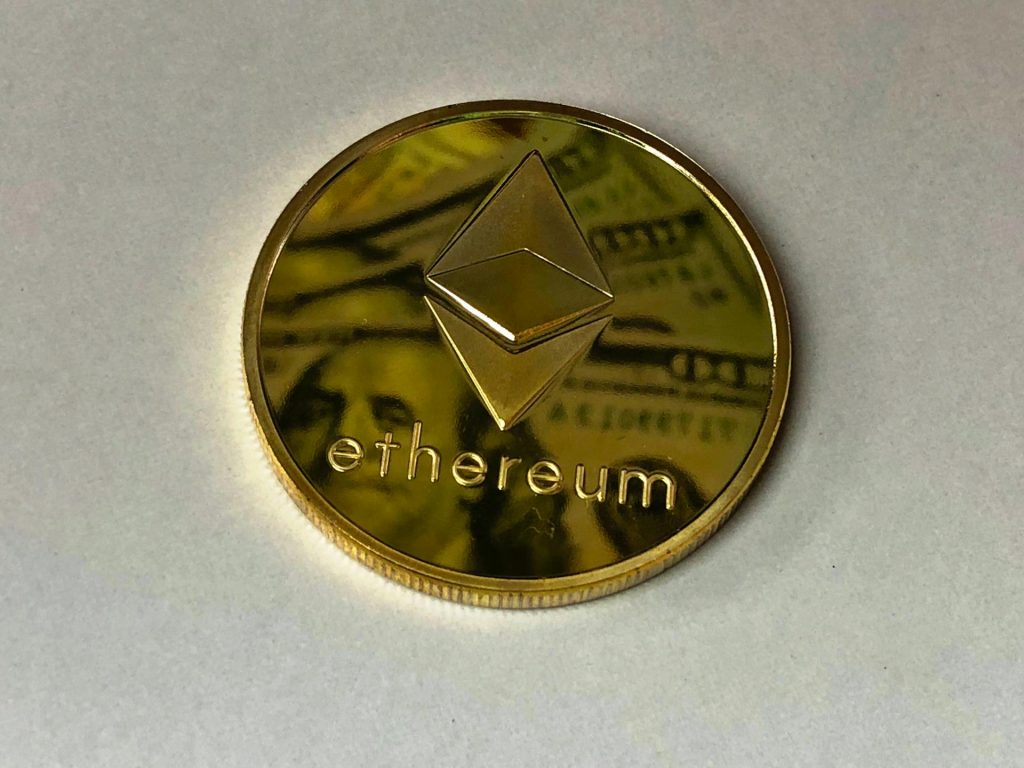
If you’re willing to take on more risk in pursuit of potentially higher rewards, altcoins (all cryptocurrencies other than BTC) can be an interesting option. However, this is where your ability to analyze comes into play.
Before investing in any altcoin, ask yourself the following questions:
- Who is the team behind the project? Are they reputable, do they have experience in the industry, and are they publicly active on platforms like LinkedIn, X (formerly Twitter), or GitHub?
- What real-world problem does this project solve? Is the solution feasible and in demand in the market? Is there real-world application?
- Is there competition, and how does this project stand out? If it’s just a copycat of another successful project without innovation, it’s likely a short-lived trend.
- How does the tokenomics work? How many tokens exist, who holds them, how are they distributed, and what is the inflation model? A token with unlimited supply can lose value over time.
- How strong is the community? An active, transparent community on platforms like Discord, Telegram, and Reddit is often a sign of a healthy project.
- Has the project been audited? Especially important for those dealing with smart contracts or DeFi functionalities — independent security audits are a must.
3. Avoiding Scams and Dubious Projects
The crypto market has attracted not only innovators and visionaries, but also scammers, manipulators, and amateur projects with no real value. Rug pulls, pump & dump schemes, Ponzi schemes, and “shitcoins” lurk around every corner.
Here are some red flags that may indicate a problematic project:
- Unrealistic profit promises (“1000% in 7 days!”, “Guaranteed returns!”)
- Anonymous team with no verifiable track record
- Poorly written whitepaper filled with vague buzzwords and no substance
- A large portion of tokens held by a small group of founders (so-called “whale dominance”)
- Centralized control with no clear development roadmap
- Fake reviews and aggressive influencer marketing campaigns
As an investor, you must develop your own filter for hype. Just because something is trending on X or TikTok doesn’t mean it deserves your money. In crypto, when everyone says it’s “going to the moon,” that’s often your cue to pause and think.
4. Portfolio Diversification — Don’t Put Everything in One Wallet
Another key aspect of choosing the right cryptocurrencies is diversification. In the crypto world, there is no such thing as a 100% safe investment. Even Bitcoin, despite its relative stability, is not immune to sharp declines. That’s why it’s highly recommended to spread your investments across several assets with varying levels of risk.
For example:
- 60% in stable projects (BTC, ETH)
- 25% in high-quality mid-cap altcoins (e.g., Chainlink, Polkadot, Avalanche)
- 15% in riskier but promising low-cap tokens (so-called “moonshot” projects)
Of course, this allocation depends on your personal risk appetite and strategy — whether you’re a long-term investor or more focused on swing trading.
4. Safely Storing Your Crypto — What Are Hot and Cold Wallets and How to Protect Your Portfolio
Once you’ve purchased cryptocurrency, remember — it doesn’t exist in physical form, it’s not tied to your name, and your bank doesn’t provide a PIN for it. Your assets live on the blockchain — a global decentralized network — but only you have access to them through your private key.
If someone gets hold of that key — you lose everything. That’s why where and how you store your key (and by extension, your crypto) is absolutely critical.
Understanding the Term: What Is a Wallet?
A crypto wallet isn’t a “container” where your crypto is stored. Instead, it’s a tool that gives you access to your public and private keys — the core components for managing your digital assets.
There are two main types of wallets:
1. Hot Wallets (Online Wallets)
Hot wallets are always connected to the internet, making them easier to use but also more vulnerable to hacks. They’re ideal for everyday transactions but not for storing large sums.
Most common forms of hot wallets:
- Web wallets: Accessible through your browser — for example, wallets on exchanges like Binance or Coinbase. Easy to access, but in this case, the exchange holds your private keys, not you.
- Mobile wallets: Phone apps (e.g., Trust Wallet, MetaMask, Exodus). These offer better control over your keys, but smartphones are prone to malware and phishing attacks.
- Desktop wallets: Installed on your computer (e.g., Electrum, Atomic Wallet). A solid choice if the computer is used solely for crypto purposes, though still vulnerable if the system is compromised.
Hot wallets are practical and often strike a good balance between security and convenience. However, you should never store your entire investment in a hot wallet — especially not on an exchange. Exchanges are prime targets for hackers. One breach can wipe out your funds permanently.
2. Cold Wallets (Offline Wallets)
Cold wallets are offline storage solutions for private keys. They provide the highest level of security because they aren’t connected to the internet, making them extremely difficult to hack.
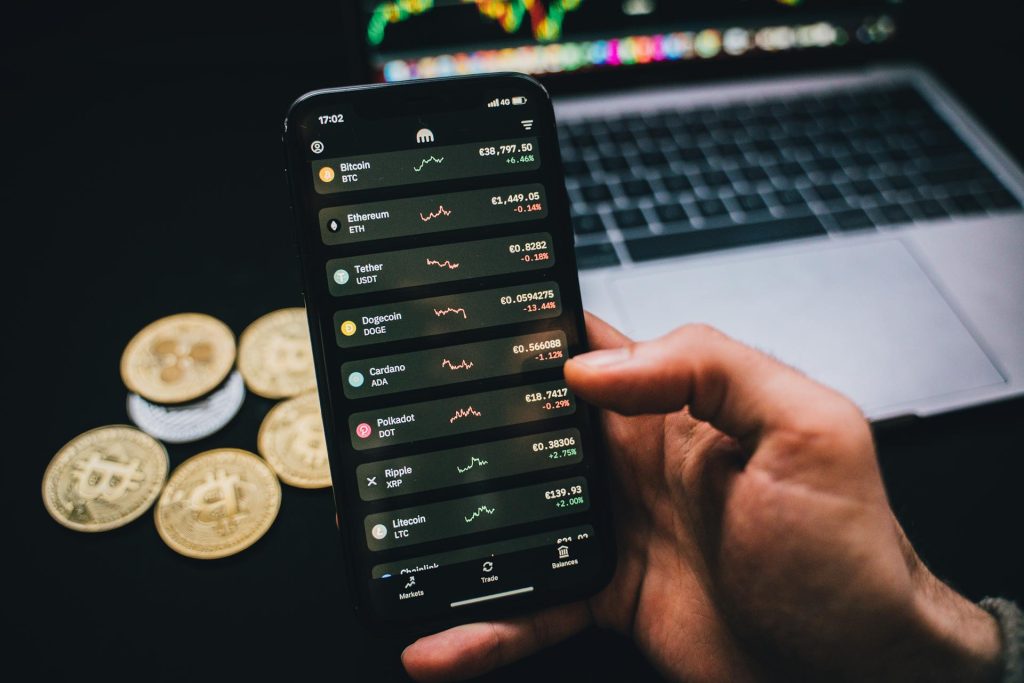
Types of cold wallets:
- Hardware wallets: Physical devices that only connect to the internet when initiating a transaction. Popular models include Ledger Nano S/X, Trezor, and Ellipal. These store your private keys within the device and never expose them online.
This is the gold standard for long-term holders. If you’re storing a significant amount of crypto — a hardware wallet is a must. - Paper wallets: Literally a printed version of your public and private keys on paper. Though they’re offline, they’re highly susceptible to physical damage, theft, or loss. Rarely used today but still an option for extreme cold storage.
- Metal backups: A more durable method of storing your seed phrase — engraved on fireproof, waterproof, tamper-resistant metal plates. Used by serious investors as a long-term safety net.
Private Keys and Seed Phrases — The Heart of Your Security
Every wallet, hot or cold, is powered by a private key — a cryptographic proof that you own a specific blockchain address. Lose this key, and access to your funds is gone forever.
This is why wallets use seed phrases — a series of 12, 18, or 24 words that act as a human-readable backup of your private key.
Your seed phrase should never be stored digitally — not on your phone, not in the cloud, and certainly not in an email. The best practice: write it down by hand, create duplicates, lock them in secure locations, or engrave them on metal plates.
If anyone gains access to your seed phrase, they gain full control of your entire portfolio. There’s no password reset, no customer support, and no way to recover lost funds.
A Combined Strategy — What Experienced Investors Do
Most seasoned investors use a combination of hot and cold wallets:
- Hot wallet: For everyday transactions and small amounts — ideally on your phone, integrated with DeFi platforms, NFT marketplaces, or staking tools.
- Cold wallet: For long-term storage of your main portfolio — the funds you don’t plan to touch for months or years.
In practice, this means using MetaMask for day-to-day DeFi use, while keeping the majority of your ETH, BTC, and altcoins safely stored on a Ledger device that’s never connected to the internet.
5. Investment Strategies — Long-Term, Short-Term, and Managing Risk & Emotions
In crypto, as in any market, success doesn’t depend solely on what you buy — but when, how, how much, and most importantly: how rational you stay when the market turns volatile.
Most people enter crypto because they hear someone made “10x” gains, and then impulsively throw in all their capital into the first coin they like. That kind of behavior is the fastest route to loss.
What separates beginners from professionals is one key thing: strategy.
1. Long-Term Investing (The HODL Approach)
Long-term investors don’t trade often. They buy into projects they believe have real-world value and long-term potential, and they hold through market ups and downs.
This strategy is based on:
- Buying strong, reputable cryptocurrencies (BTC, ETH, top altcoins with solid teams and clearly defined goals)
- Dollar Cost Averaging (DCA): Instead of investing all at once, you invest small amounts weekly or monthly, regardless of the current price. This reduces the risk of buying at the peak.
- No panic selling during downturns: Markets are cyclical. Dips are normal — and often the best buying opportunities.
- Setting clear goals: For example, “I’ll sell 20% of my ETH at $5,000, another 30% at $7,000…” — have a plan and stick to it.
The HODL approach is ideal for those who believe in the long-term vision of crypto but don’t want to constantly monitor the market.
2. Short-Term Investing (Trading Strategies)
If you have more time and knowledge, you can actively trade. This includes swing trading (buying/selling based on trends and technical analysis) or day trading (multiple trades within the same day).
While this can bring quicker profits, it also brings more stress and higher risk.
Key advice:
- Never trade with your entire portfolio — allocate 10–20% for active trading; keep the rest in long-term positions.
- Use stop-loss orders to automatically close positions if the price moves against you — protecting your capital.
- Learn technical analysis — track RSI, MACD, trend lines, and volume. Without it, every trade is just a gamble.
- Avoid chasing pumps or hype — “Buy when there’s fear, sell during euphoria.”
And always remember: trading isn’t for everyone. Losses often come not from bad ideas — but from emotions, greed, or fear taking over your decisions.
3. Diversification — The Golden Rule of Investing
No matter your strategy, one rule stays constant: Never put all your eggs in one basket.
Diversification helps you survive when part of your portfolio underperforms. A good allocation might look like:
- 50% in BTC and ETH
- 30% in promising altcoins (e.g., Solana, Polkadot, Chainlink, Arbitrum)
- 10% in high-risk, small-cap projects
- 10% in stablecoins (e.g., USDT, USDC) — for quick moves or passive income via staking
This balance can shift based on your goals — more altcoins if you’re risk-tolerant, more BTC and stablecoins if you prefer safety.
4. The Psychology of Crypto Investing
Crypto is an emotional rollercoaster. The market changes hour by hour. One day you feel like a genius, the next you’re questioning all your decisions. That’s why mental discipline is one of the biggest keys to success.
A few real-world tips:
- Set rules before investing — how much you’ll invest, when you’ll exit, when to step away.
- Don’t check your portfolio 20 times a day — it only adds stress and fuels irrational moves.
- Taking profits is okay — you don’t have to “catch the top.” Sometimes, locking in gains is the smartest move.
- Filter your information sources — YouTube “experts” and Twitter noise can create more confusion than clarity. Stick to 2–3 solid sources and follow them consistently.
5. Only Invest What You Can Afford to Lose
It might sound cliché, but this is rule #1 in volatile markets.
If the money you’re investing is needed for rent, bills, or your child’s education — it should not be in crypto.
As we mentioned at the start: The crypto market can bring massive gains — but it can also drop by 70% in three months.
If you’re investing with stress, pressure, or debt… you’re already playing a dangerous game.
6. Passive Income in Crypto — Staking, Lending, and Yield Farming
Crypto allows you to become your own bank. You don’t have to just hold and hope for price appreciation — you can lend, lock, or invest your assets in decentralized protocols and earn interest, rewards, or percentage returns on your capital. Sounds good, right?
Staking — Earn by Supporting the Network
Staking means locking your tokens into a blockchain network (e.g., Ethereum, Cardano, Solana) and earning rewards in return.
It’s like “putting your trust” in the network to function properly — and getting rewarded for that trust.
Staking typically offers 4–10% annual returns, and can easily be done via wallets (like Trust Wallet, Ledger) or directly on exchanges (Binance, Kraken). It’s a great fit for long-term holders.
⚠️ Note: When you stake, your funds may be locked for a period (a so-called “lock-up”). So make sure to plan your liquidity accordingly.
Lending — Earn Interest by Letting Others Borrow Your Crypto
On lending platforms, you can lend your crypto to other users — who provide collateral — and you earn interest in return.
Some top platforms include Aave and Compound (decentralized), or Nexo and BlockFi (centralized). Returns vary from 5–15% per year, depending on the asset and demand.
But be cautious — always check the platform’s reputation, smart contract security, and insurance coverage (especially with centralized lending platforms).
One rule stands: Always double-check before you deposit.
Yield Farming — Higher Risk, Potentially Higher Returns
Yield farming involves providing liquidity to DeFi protocols, allowing others to trade or borrow against your capital. In return, you earn transaction fees and bonus tokens as rewards.
Popular platforms include Uniswap, PancakeSwap, and Curve.
Returns can go over 50% annually, but come with higher volatility and technical risk, such as impermanent loss.
Because of that, yield farming is not recommended for beginners — it requires deeper knowledge and active risk management.
Stablecoin Staking/Lending — Passive Income Without Price Volatility
If you want to earn, but without the price swings of BTC or ETH, stablecoins (like USDC, USDT) are a safer option.
Their value is pegged to the US dollar (1:1), meaning there’s no price volatility, which makes them ideal during bear markets or as a “safe zone” for your portfolio.
You can stake or lend stablecoins on various platforms and earn steady passive income — with less risk.
Final Words
And just like that — we’ve reached the end of this Crypto Investing Guide.
We hope it was useful, practical, and gave you clarity on how to approach the crypto world.
📺 Follow us on YouTube — MALAMEDIJA
🌐 Check out our blog — malamedija.rs
We post daily about crypto, investing, technology, history, and more!
⚠️ DISCLAIMER: This is not financial advice. This guide is for educational and informational purposes only.
You are fully responsible for any capital you invest in cryptocurrencies or any other financial instruments — so always do your own research and think twice before you “go all in.”
Investing in crypto isn’t just about picking the next moonshot — it’s about making informed decisions, managing risk, and maintaining a long-term perspective.
Thanks for reading,
Your MALAMEDIJA Team


You’ve taken something complex and made it feel like a peaceful walk through familiar terrain.