
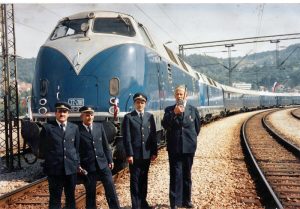
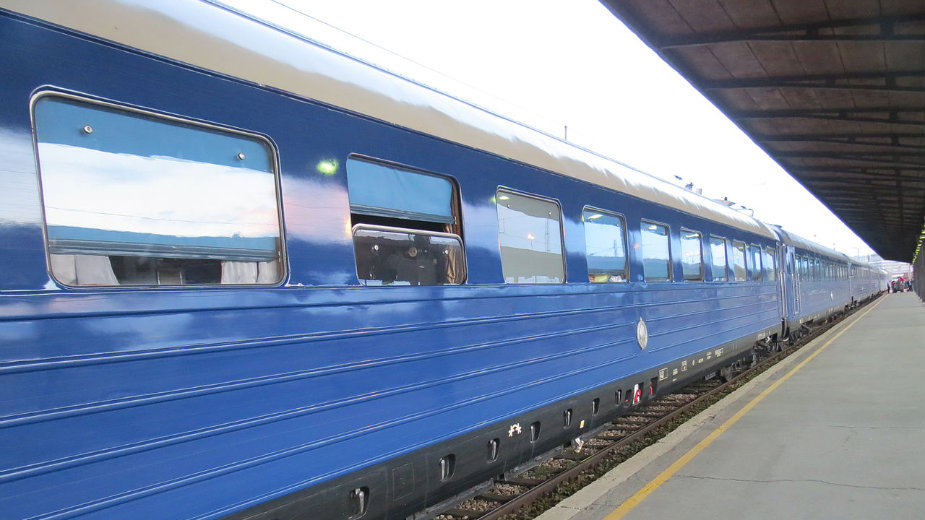
Tito’s Blue Train, also known as the “Marshal Tito’s Blue Train,” was a luxury railway vehicle used by Josip Broz Tito, the former president of the Socialist Federal Republic of Yugoslavia. This special train became a symbol of power and prestige during Tito’s rule, representing a unique blend of comfort, elegance, and technical sophistication. Below, we explore the design, features, and significance of this legendary train.
Origins and Production
After World War II, Yugoslavia was left devastated but began a period of economic and infrastructural recovery. One key aspect of this recovery was the development of the railway system. As the leader of the Partisan movement and the new socialist Yugoslavia, Tito traveled extensively across the country and abroad. A safe, comfortable, and prestigious mode of transport was essential.
The Blue Train also held symbolic value. It was designed to represent a new era while also impressing foreign dignitaries and guests. It became a tool of diplomacy and political prestige, particularly during the Cold War, when Yugoslavia maintained a neutral stance between the East and the West. Tito, a prominent figure in the Non-Aligned Movement, often hosted important diplomatic meetings aboard the train.
The production of the Blue Train began in the 1950s as a collaboration between several Yugoslav factories and engineers. A significant portion was built by the “Goša” factory in Smederevska Palanka, while other cars were produced elsewhere across the country. The construction and outfitting of the train cars were considered state-of-the-art at the time, with a focus on security, luxury, and technical excellence.
Technical Features and Equipment
Locomotives – Initially powered by steam, the Blue Train later employed diesel and electric locomotives. One of the most well-known was the American-built series 661 diesel locomotive, later replaced by domestic electric locomotives of series 441 manufactured by “Rade Končar” in Zagreb.
Train Cars – The Blue Train featured various luxurious cars for different functions:
- Tito’s Personal Car: A specially equipped coach with a working office, bedroom, bathroom, and a salon for receiving guests.
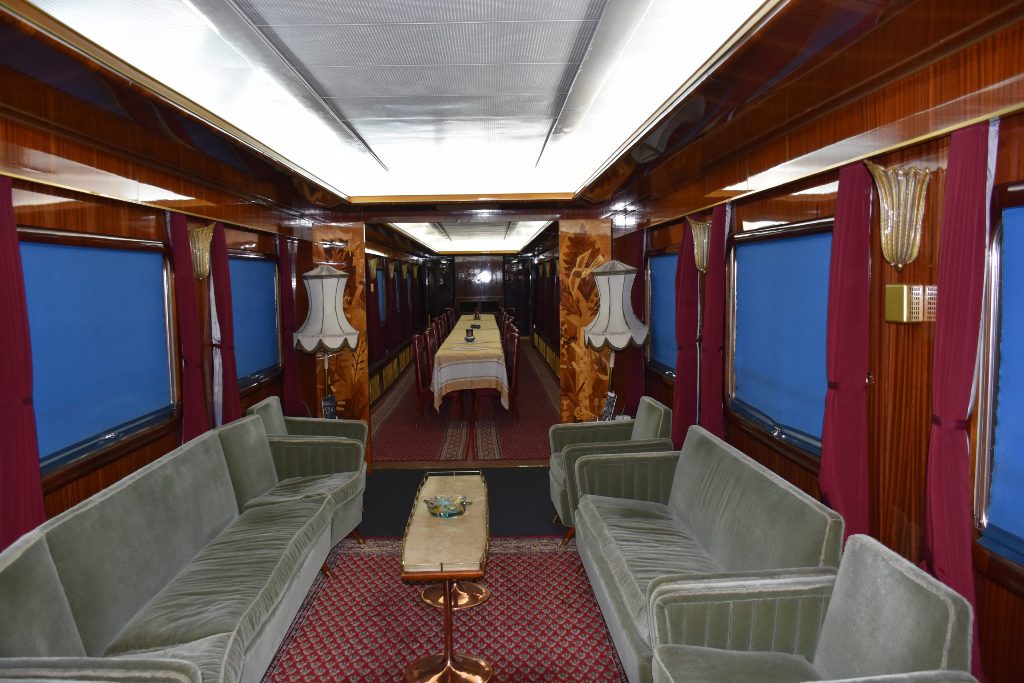
- Dining Car: Designed for formal meals and receptions, it featured a fully functional kitchen capable of preparing meals in transit.
- Sleeping Cars: Equipped with private sleeping cabins and bathrooms to ensure maximum comfort during long journeys.
- Security and Staff Cars: Reserved for Tito’s close aides and security personnel, due to the high level of protection required.
Speed and Autonomy – The Blue Train could reach speeds of up to 140 km/h, which was considered fast for a passenger train at the time. It was equipped with its own power generator, allowing it to operate independently without external support for energy or provisions during long-distance travel.
Security – Advanced security measures were implemented, including reinforced cars and constant onboard protection to safeguard against potential threats and sabotage.
Aesthetic and Luxury
The train’s iconic blue exterior gave it its name – “The Blue Train.” Its interior featured high-end materials such as marble, fine wood, leather upholstery, and crystal chandeliers. Every detail was carefully curated to reflect prestige, from the opulent furniture to curated artwork.
It was also equipped with modern technology for the time, including telephones, radio communication, and air conditioning. The presence of an independent power system further emphasized its advanced and self-sufficient design.
Use of the Blue Train
During Tito’s leadership, the Blue Train traveled over 600,000 kilometers!
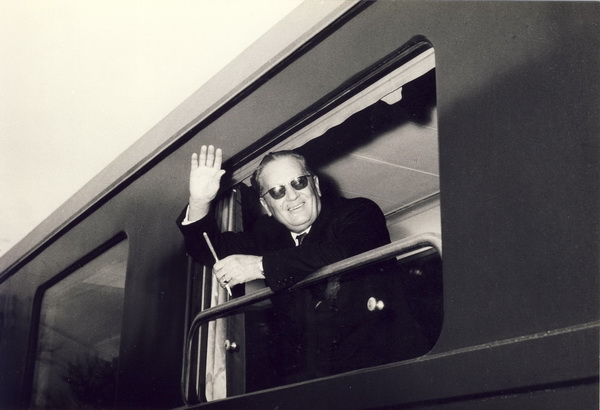
It was used extensively throughout his presidency, not only for official domestic visits but also for international diplomatic missions. Tito used the train to attend state meetings and retreats, such as his renowned visits to Brijuni. It also hosted numerous foreign leaders, including Nikita Khrushchev and Indira Gandhi.
Following Tito’s death in 1980, the Blue Train carried his body from Ljubljana to Belgrade, where he was laid to rest at the House of Flowers. This final journey marked the end of a historical era in Yugoslavia.
Legacy of the Blue Train
After the breakup of Yugoslavia, the Blue Train lost its official function but became a part of the region’s cultural and historical heritage. Today, it is partially preserved and used for tourist tours and special events. It can still be seen in exhibitions and museums, and some of its cars are available for luxury private tours across Serbia and the Balkans.
The Blue Train symbolized not only the power and reputation of Yugoslavia but also a distinctive chapter in Balkan history. Its technical sophistication, luxury, and political importance have earned it a place among the most iconic trains in the world.
Have you ever traveled on the Blue Train? Share your experience in the comments!
Check another posts here.
Thank you for reading!
MALAMEDIJA TEAM


