

When we think of drinks, our minds usually wander to relaxation, socializing, or maybe a cozy evening with a glass of wine. But the history of drinking is much more than that. It’s a reflection of human civilization itself. Beverages weren’t just tools for pleasure. They held deep cultural, religious, and even medicinal significance. And what’s even more fascinating is that some of these ancient drinks didn’t remain in the past. On the contrary, they’re still very much alive today and we enjoy them, perhaps now more than ever. So, let’s take a closer look at the oldest drinks in the world. And explore how, and why, they’ve stood the test of time.
Wine – A Drink That Never Ages
Believe it or not, the oldest traces of wine have been discovered in modern-day Georgia, in clay vessels over 6,000 years old. Chemical residues of tartaric acid and grape remains found on the inside of these jars reveal that people in this region already knew how to turn grapes into liquid gold. Wine wasn’t just a source of pleasure. It was a marker of status, a form of medicine, and a symbol of spirituality. The ancient Egyptians drank it at celebrations, the Greeks linked it to the god Dionysus, and the Romans spread it across the Mediterranean, making it accessible to the masses.
Interestingly, wine also had a practical value: at a time when water was often unsafe to drink, diluted wine was a safer option. In the Middle Ages, it was enhanced with spices and used for medicinal purposes and even today, we hear about its antioxidant properties.
But more than anything, wine has endured because it evolved with the times. From rustic drink to an artistic expression of terroir, wine has adapted without losing its soul. And so today, whether we’re sipping a bold red from Bordeaux or a crisp white from Tikveš, we’re also tasting a piece of history in its most delicious form.

“A vineyard needs a servant, but wine demands a master.”
Mead – Nectar from the Beehive of the Past
Before grapes and barley took the spotlight, there was mead. This drink is made by fermenting honey and water, often enriched with fruit, herbs, or spices. The oldest evidence of mead consumption comes from Neolithic China, where ceramic vessels dating back around 8,000 years were found containing traces of a mixture of rice, honey, and fruit components.

Mead improves blood composition, invigorates the body, stimulates appetite, and slows the aging process.
Europe developed its own mead tradition through Celtic and Norse cultures. The Vikings drank it amid song and battle, while the Slavs used it in rituals and weddings. Over time, mead’s popularity declined with the rise of wine and beer, which were cheaper and easier to produce. But it never disappeared completely. Today, mead is enjoying a renaissance thanks to craft distilleries and enthusiasts who are rediscovering this “primeval” flavor.
Why has it survived? The answer is simple. People have always known that anything born of bees and fire can’t possibly be bad.
Beer – The Grainy Substance of Civilization
If there is one drink that was sown alongside the very first furrows of human history, it is beer. The oldest archaeological evidence of its production comes from Iran and Mesopotamia, dating back to around 6,000 BCE. In Sumerian texts, we even find hymns dedicated to Ninkasi, the goddess of beer, complete with recipes for brewing this ancient beverage.
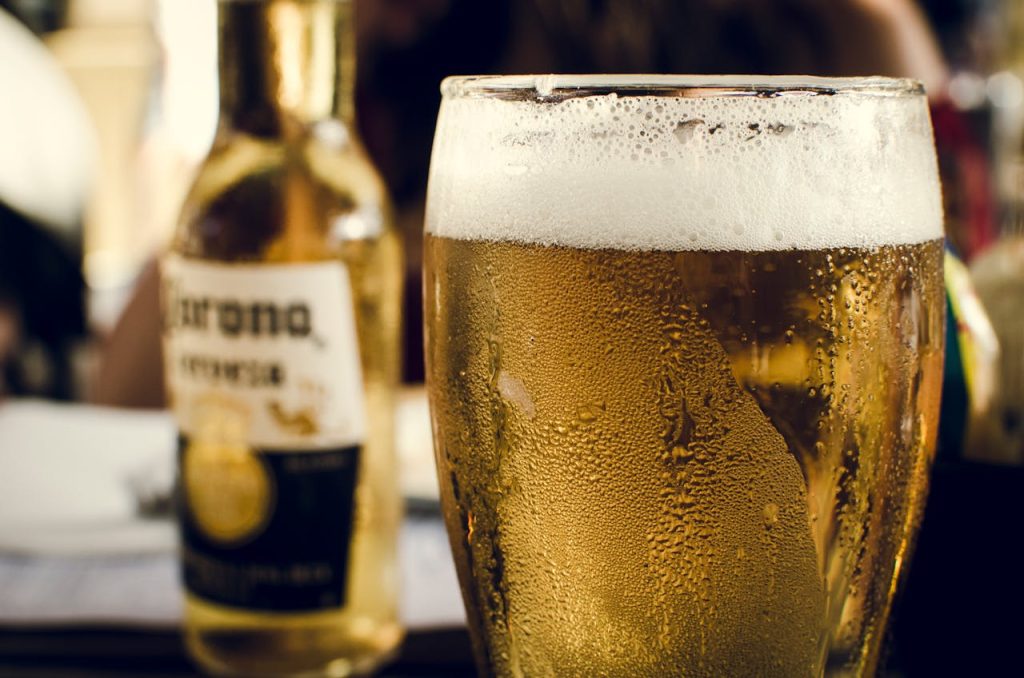
“Beer makes you feel the way you ought to feel without beer.”
What’s truly fascinating is the theory that humans may have started cultivating barley not for bread, as one might expect, but specifically to brew beer. At the time, beer was unfiltered, thick in texture, and more of a drinkable bread, rich in nutrients. Of course, it wasn’t consumed from bottles. It was sipped through straws from large communal jars. It might sound primitive, but it was surprisingly practical.
Over the centuries, beer evolved. In medieval monasteries, monks refined the craft, adding hops for flavor and preservation, laying the foundations for the modern brew. Today, the beer industry is thriving, especially with the rise of microbreweries that often experiment with ancient techniques and ingredients. One thing, however, hasn’t changed. Beer still brings people together, regardless of era or continent.
Sake – A Spiritual Note in Fermented Rice
In Japan, where nothing is left to chance, even a drink is never just a refreshment. Sake, the fermented rice beverage, has been part of Japanese culture for over two thousand years. Its origins are closely tied to Shinto rituals and the imperial court, and its preparation was once considered almost sacred.
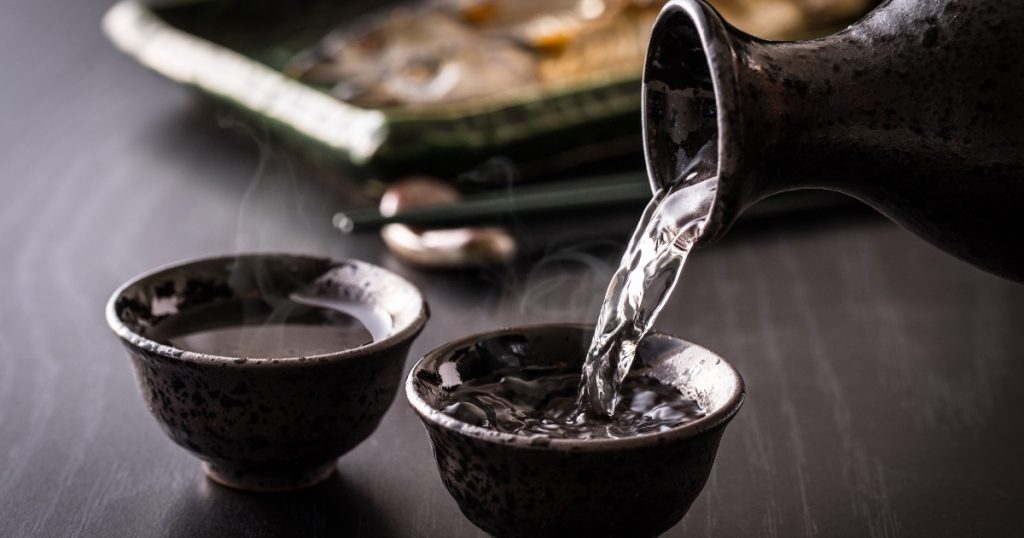
The rice used to make sake is called “sakamai“.
Sake is brewed using a unique mold called koji, which breaks down rice starch into sugar, allowing fermentation to occur. The process demands precision, silence, and patience. In many ways, it reflects the Japanese way of life. In the past, sake was reserved for special occasions, but today it is increasingly enjoyed beyond Japan’s borders, often served in sleek, modern bars around the world.
Perhaps the most beautiful aspect of sake isn’t its flavor but the philosophy behind it. Simplicity, purity, and a deep respect for nature.
Chicha – A Drink of Saliva and Stories
If you think you’ve tried it all, wait until you hear about chicha. This traditional South American beverage is made from fermented maize. The most authentic method involves chewing the corn kernels so that enzymes in the saliva begin to break down the starches. Yes, you read that right — saliva! A process that may sound strange at first, but it’s incredibly effective and has been around for thousands of years.
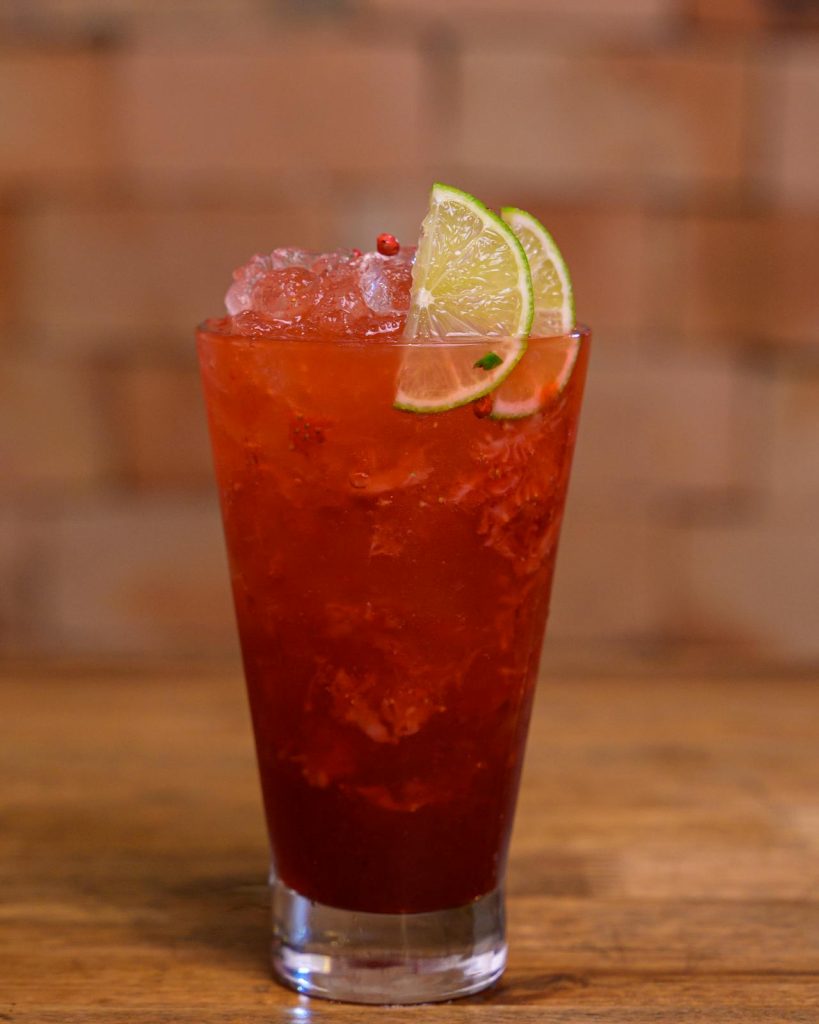
Chicha is made from corn or cassava root.
Chicha is more than just a drink. It’s a communal act. It is consumed together, often during ceremonies, celebrations, and folk rituals. While industrial versions exist today, in the Andean villages you can still find women carefully and respectfully preparing chicha using the recipes passed down from their grandmothers.
It has survived to this day because it remains a tool of togetherness rather than just a way to unwind. And perhaps that is the most important quality of any drink that endures through the centuries.
Ancient Drinks, Eternal Story
Through wine, beer, mead, sake, and chicha runs a common thread, the human need for connection. Whether for spiritual elevation, medicinal use, or the simple desire for togetherness, drinks have always held the power to bring us together. Their longevity is no accident. These drinks have endured because they became part of our identity, not just our taste.
So the next time you raise a glass, remember: you might be drinking something older than writing itself. Perhaps even older than the question: Why do we drink?
Cheers!
Yours,
malamedija.rs


